
Key Takeaways
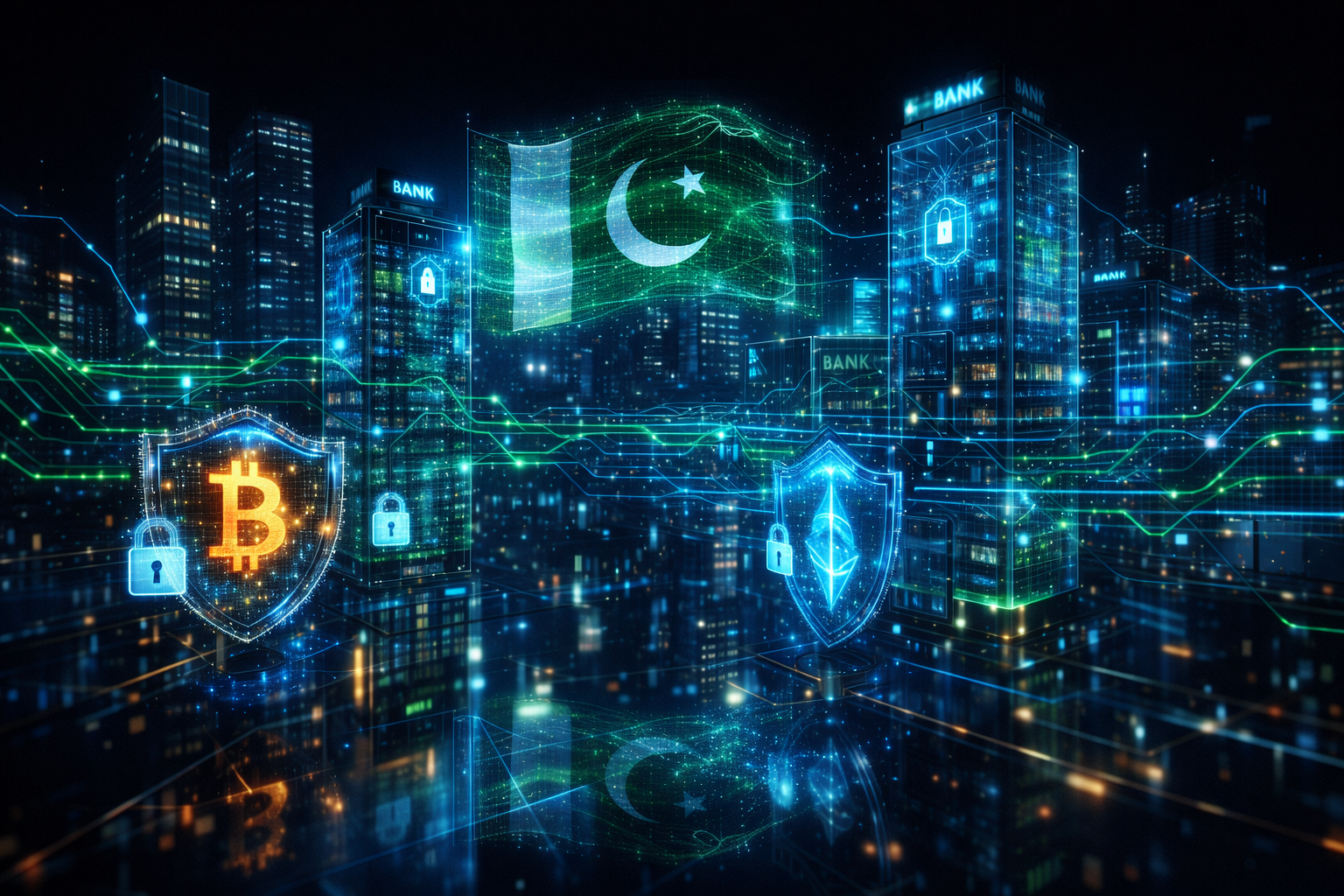
- Pakistan lifts long-standing ban on banks dealing with virtual assets, signaling a shift in its financial landscape.
- Regulators aim for a balanced approach that allows digital assets to coexist with traditional banking while ensuring user safety.
- This change could boost local fintech and blockchain startups by easing regulations, attracting funding and partnerships.
- A regulated crypto market could bring foreign investment and expand access to financial services for citizens.
- Trust-building and clear regulations are essential for the successful integration of crypto in Pakistan’s economy.
Pakistan is starting a new chapter in its financial history now that the long-standing ban on banks working with virtual assets has been lifted. For almost eight years, this rule made it hard for crypto activity to connect with the country’s official banking system.
Regulators were careful back then. Concerns about fraud, money laundering, and unclear rules led to a strict stance that kept Pakistan mostly out of the global crypto wave.
That way of doing things is changing now.
Officials are working toward an environment that is more open but still controlled. In this environment, digital assets can exist alongside traditional banking. The goal is to make room for new ideas while still keeping an eye on things. If done correctly, this could help fintech startups, investors, and regular people who are interested in crypto.
That being said, this doesn’t mean you can do whatever you want. Authorities are expected to put out clear rules to make sure that users are safe, that everyone follows the rules, and that everything is open and honest. Pakistan, like many other countries, is trying to find the right balance between promoting new ideas and keeping risks under control.
This change could have a big effect on the local tech scene. For years, blockchain and fintech startups have had to deal with rules that made it hard for them to grow. Now that those barriers are less strict, they might be able to get funding more easily, make partnerships, and grow beyond their local markets.
This also opens up more business opportunities. A regulated crypto market could bring in foreign investors and help Pakistan get into the fast-growing digital economy. This is especially important in a country where many people still don’t have access to traditional banking services.
Of course, problems are still there. In the future, it will be very important to build trust with the public, make the rules clear, and help people understand digital assets.
One thing is clear, though: Pakistan isn’t shutting down crypto anymore; it’s working on how to make it work.