
Key Takeaways
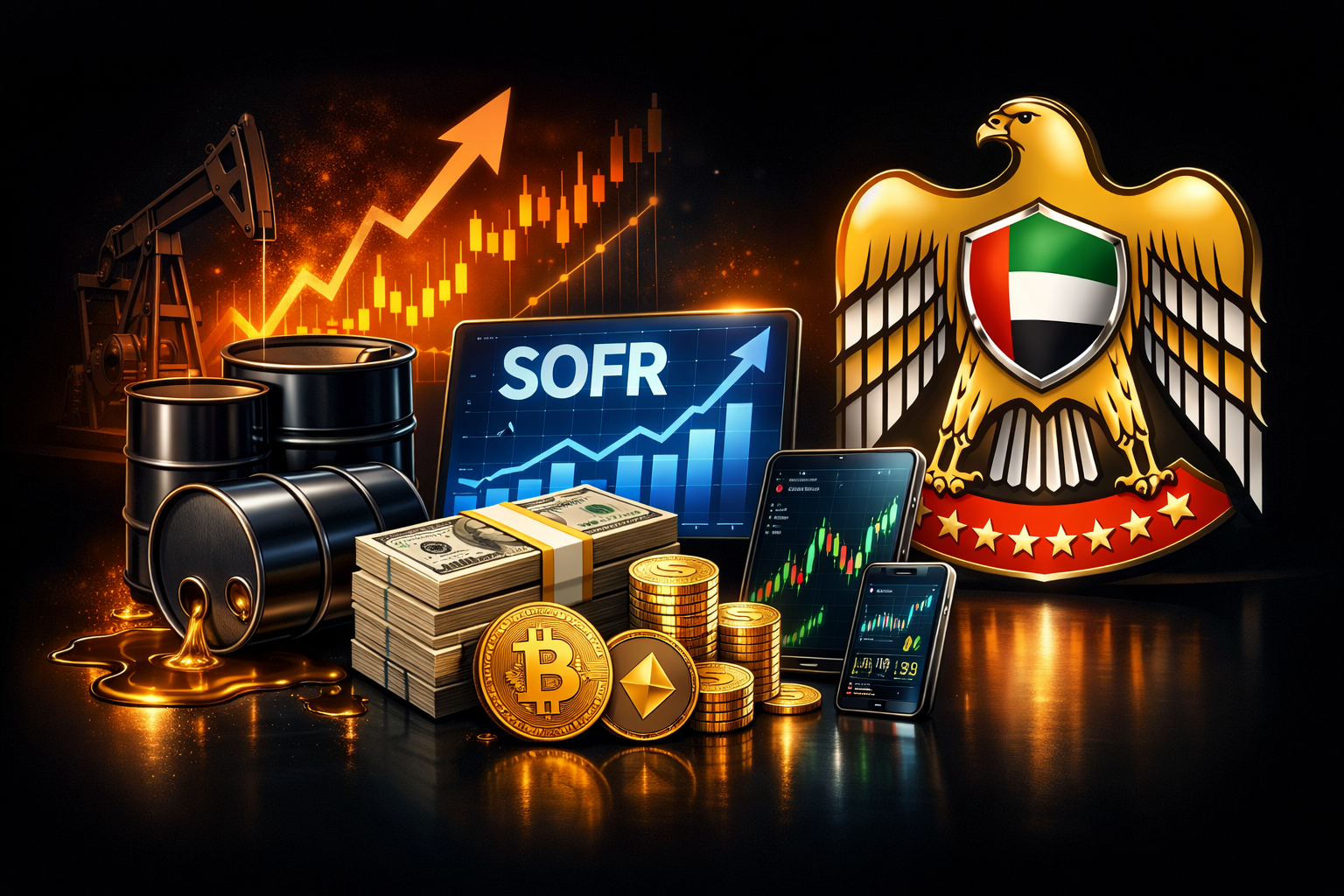
- Oil prices, the SOFR rate, and a $10 million crypto derivatives trade show how macro indicators impact the cryptocurrency market.
- The Secured Overnight Financing Rate (SOFR) measures overnight borrowing costs and signals liquidity changes in financial markets.
- Rising oil prices can increase inflation, leading to higher interest rates that tighten financial conditions and affect cryptocurrencies.
- The $10 million trade highlighted institutional strategies that combine macro signals with digital assets, reflecting broader financial trends.
- Overall, macroeconomic factors like oil prices and SOFR increasingly shape the crypto macro landscape.
Oil prices, the SOFR rate, and a $10 million crypto derivatives trade recently highlighted how macro indicators influence cryptocurrency markets. The event connected traditional financial signals with digital-asset trading activity. Market participants increasingly track oil markets and the SOFR benchmark when evaluating crypto trends.
The Secured Overnight Financing Rate (SOFR) is a key U.S. benchmark. It measures the cost of borrowing cash overnight using Treasury securities as collateral. Financial institutions use SOFR to price loans, derivatives, and other financial products. Changes in SOFR often reflect shifts in liquidity and funding conditions across global markets.
A large derivatives trade worth approximately $10 million drew attention from traders. The position appeared in crypto derivatives markets and coincided with changes in macro indicators. The transaction highlighted how large trades can reflect macro-driven expectations rather than purely crypto-specific signals.
Oil Prices and Their Influence on Crypto Macro Conditions
Oil prices play an important role in the crypto macro environment. Rising oil prices can increase inflation pressures in global economies. Inflation expectations often influence central bank policy decisions. If inflation rises, policymakers may maintain higher interest rates.
Higher interest rates can tighten financial conditions. Tighter conditions typically reduce liquidity in risk-sensitive markets. Cryptocurrencies often react to these shifts because traders treat them as speculative assets.
Movements in the oil market therefore affect broader financial expectations. These expectations can indirectly shape demand for digital assets.
SOFR Signals Liquidity and Risk in Crypto Markets
The SOFR benchmark serves as an indicator of funding conditions in financial markets. When SOFR moves higher, borrowing costs increase for financial institutions. Rising funding costs can reduce leverage across trading strategies.
Lower leverage can affect crypto derivatives markets. Institutional traders may adjust positions based on funding rates and liquidity conditions. As a result, shifts in SOFR can influence risk appetite in digital-asset trading.
Market participants increasingly watch SOFR alongside traditional indicators such as Treasury yields and inflation data.
The $10M Trade and Institutional Crypto Strategy
The $10 million derivatives trade illustrated how macro signals influence crypto positioning. Analysts linked the trade to expectations about oil prices and interest-rate conditions. The transaction reflected a strategy based on broader financial trends.
Institutional participation has expanded in crypto markets. Hedge funds, trading desks, and asset managers now use macro-driven strategies. These strategies often combine commodities, interest-rate benchmarks, and digital assets.
The event shows that cryptocurrency markets operate within a wider financial system. Oil prices, SOFR, and large institutional trades increasingly shape the crypto macro landscape.
Source: https://crypto.news/oil-sofr-and-a-10m-trade-just-rewrote-your-crypto-macro/